Witchcraft Quiz
Results
Congratulations on passing the witchcraft quiz! 🧙♀️✨
You’ve proven yourself worthy of the coven. Remember, with great power comes great responsibility… and a few unexpected visits from black cats. 🐈⬛
May your cauldron always bubble, your broomstick never splinter, and your spells be just the right amount of spooky and spectacular! 🧹🔮
Welcome to the witching world, where the only thing scarier than a hex is running out of eye of newt. 😉🧙♂️
Happy spell casting! 🎃👻
Oh no! It looks like your broomstick hit a snag on the witchcraft quiz! 🧙♀️🧹
But fear not, for even the best witches have their off days. Remember, every failed spell is a step closer to mastering the dark arts. 🕯️🔮
So, dust off your spellbook, double-check your potion ingredients, and maybe avoid summoning any more mischievous spirits for a while. 👻🧪
After all, what’s a little quiz failure compared to the thrill of turning your enemies into toads? 🐸😉
Keep practicing, and soon you’ll cast spells with the best of them. Until then, watch out for those black cats—they’re always watching… 🐈⬛✨
Better luck next time, and happy spell casting! 🎃👻


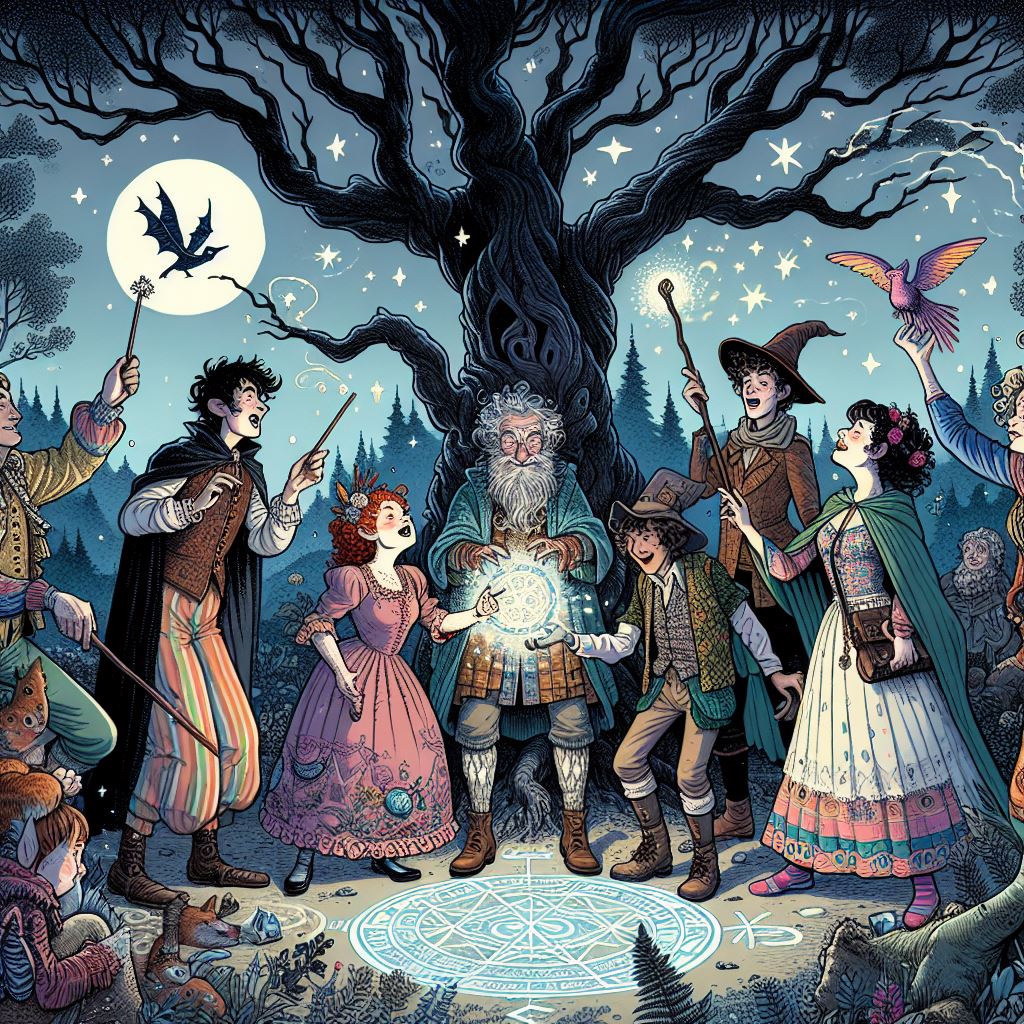
#1. Who were always ready to zap a hex into oblivion, but in a magical mishap, some of them were labeled as witches themselves? 🧙♀️👻
Cunning folk, also known as folk healers or wise folk, were practitioners of folk medicine, helpful folk magic, and divination in Europe from the Middle Ages until the 20th century. Their practices were known as the cunning craft. Their services also included thwarting witchcraft. Although some cunning folk were denounced as witches themselves, they made up a minority of those accused, and the common people generally made a distinction between the two.
-Wikipedia
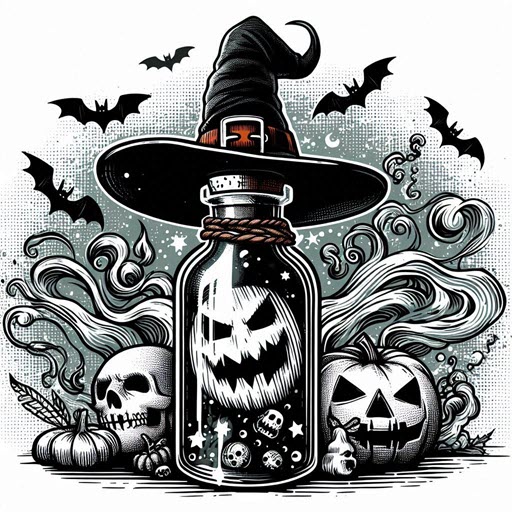
#2. What eerie surprises await when a witch bottle meets the flames? 🔥🧙♀️ Will it unleash a chorus of ghostly giggles, or perhaps summon a swarm of enchanted bats? 🦇✨ Throw it in and find out… if you dare! 😉🕯️👻
A witch bottle is an apotropaic magical item used as protection against witchcraft. They are described in historical sources from England and the United States. The earliest surviving mention is from seventeenth-century England.
–Wikipedia
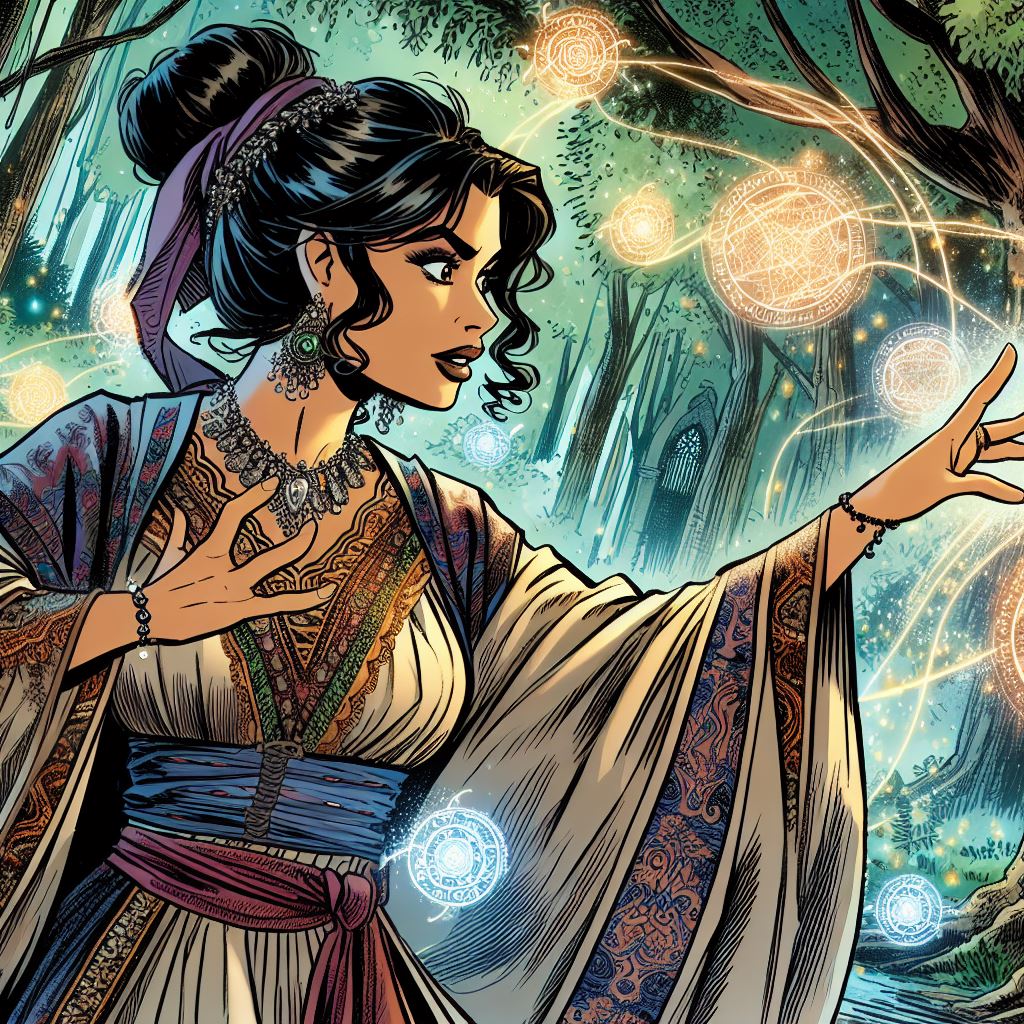
#3. What kind of eerie enchantment is used to shoo away the spooky spirits and dodge those pesky misfortune goblins?🧙♂️👀
Apotropaic magic (from Greek αποτρέπω, apotrépō ‘to ward off’) or protective magic is a type of magic intended to turn away harm or evil influences, as in deflecting misfortune or averting the evil eye. Apotropaic observances may also be practiced out of superstition or out of tradition, as in good luck charms (perhaps some token on a charm bracelet), amulets, or gestures such as crossed fingers or knocking on wood.
– Wikipedia
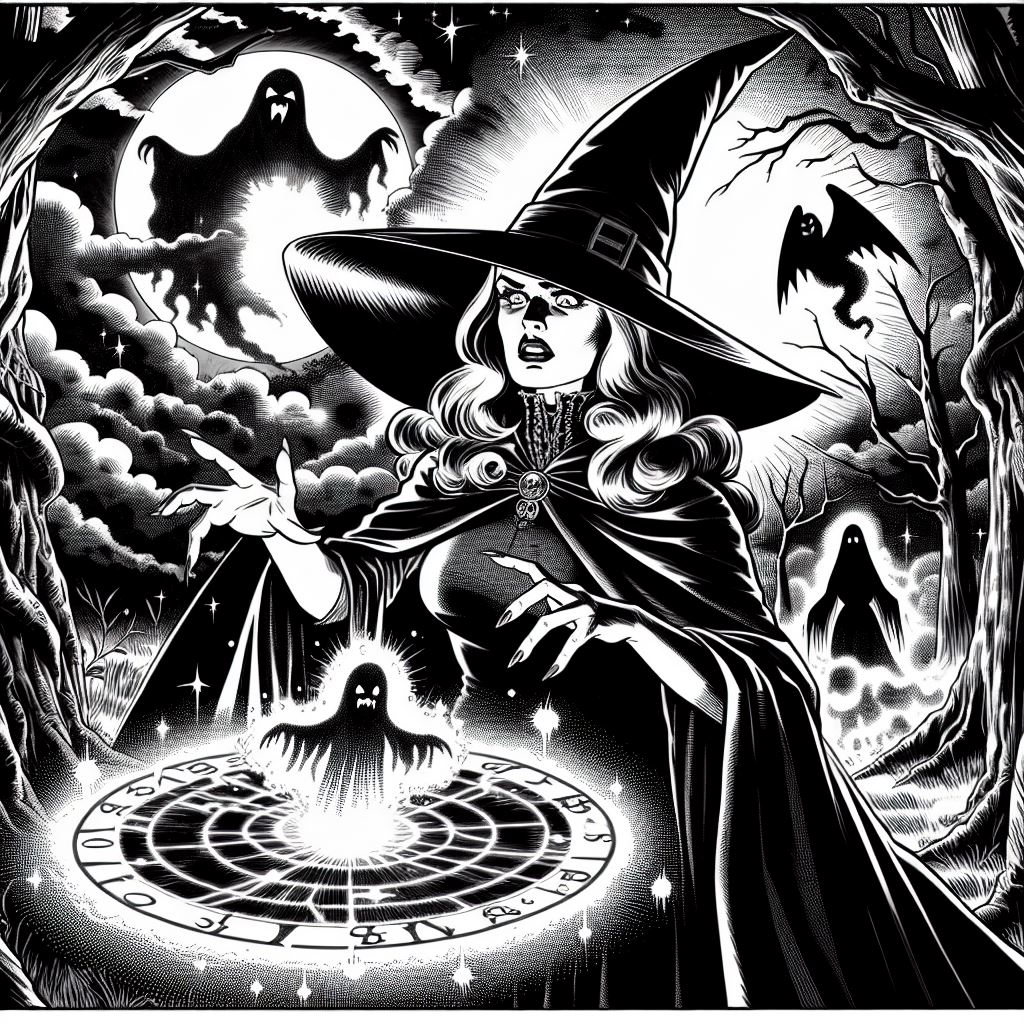
#4. What’s the spooky art of chatting with the dearly departed by calling up their ghostly spirits for a little otherworldly gossip?” 👻😄
Necromancy is the practice of magic involving communication with the dead by summoning their spirits as apparitions or visions for the purpose of divination; imparting the means to foretell future events and discover hidden knowledge.
-Wikipedia
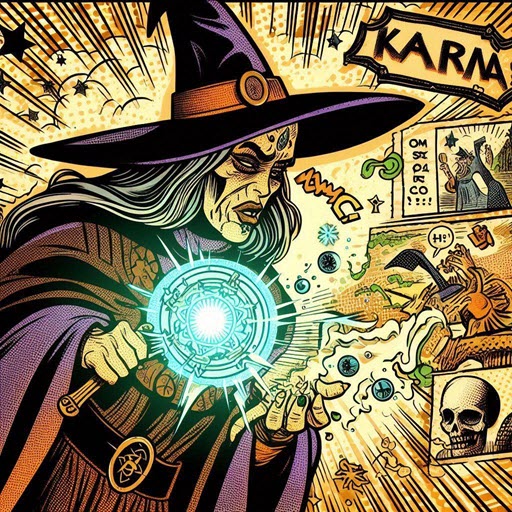
#5. According to Wiccan belief, how many times will the ghostly karma of your vibes come back to give you a spooky surprise? 🎃👻
The Rule of Three (also Three-fold Law or Law of Return) is a religious tenet held by some Wiccans, Neo-Pagans, and occultists. It states that whatever energy a person puts out into the world, be it positive or negative, will be returned to that person three times. Some subscribe to a variant of this law in which return is not necessarily threefold.
– Wikipedia
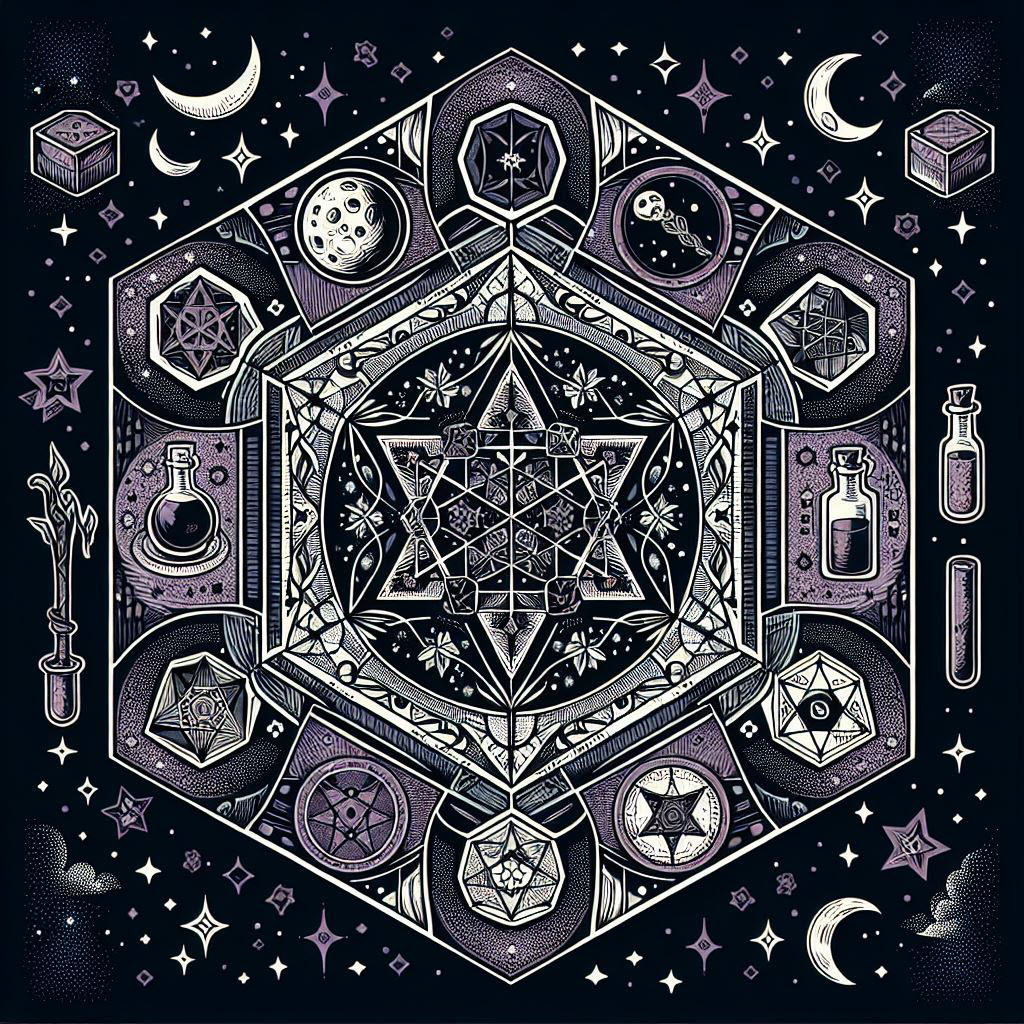
#6. Ever wondered what symbol witches dread the most? Which mystical symbol is like the ultimate “No Witches Allowed” sign that would send their hats flying off in surprise! 🧙♀️✨
Apotropaic marks, also called ‘witch marks’ or ‘anti-witch marks’ in Europe, are symbols or patterns scratched on the walls, beams and thresholds of buildings to protect them from witchcraft or evil spirits. They have many forms; in Britain they are often flower-like patterns of overlapping circles, such as hexafoils.
-Wikipedia

#7. What’s the eerie term for a spirit’s spooky signature used in magic? 🧙♀️✨ Is it a ghostly glyph, a phantom’s portrait, or perhaps a spectral scribble? 👻🖋️ Guess carefully, or you might just end up with a haunted masterpiece on your hands! 😉🕯️🦇
A sigil is a type of symbol used in magic. The term usually refers to a pictorial signature of a spirit (such as an angel, demon, or deity). In modern usage, especially in the context of chaos magic, a sigil refers to a symbolic representation of the practitioner’s desired outcome.
–Wikipedia
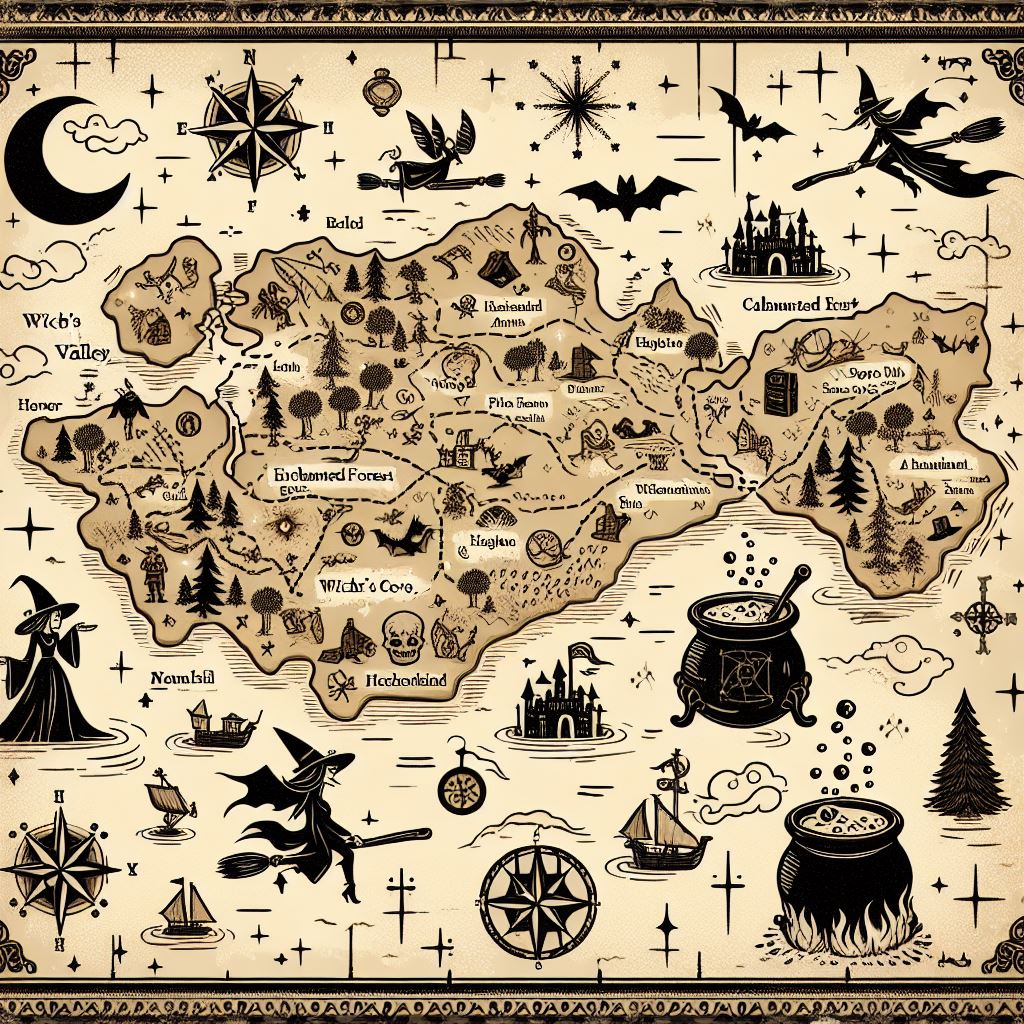
#8. Where did the infamous Salem witch trials brew up their spooky accusations and dish out eerie punishments for witchcraft? 🧙♀️🔮🕯️
The Massachusetts Bay Colony (1628–1691), more formally the Colony of Massachusetts Bay, was an English settlement on the east coast of North America around the Massachusetts Bay, one of the several colonies later reorganized as the Province of Massachusetts Bay.
– Wikipedia
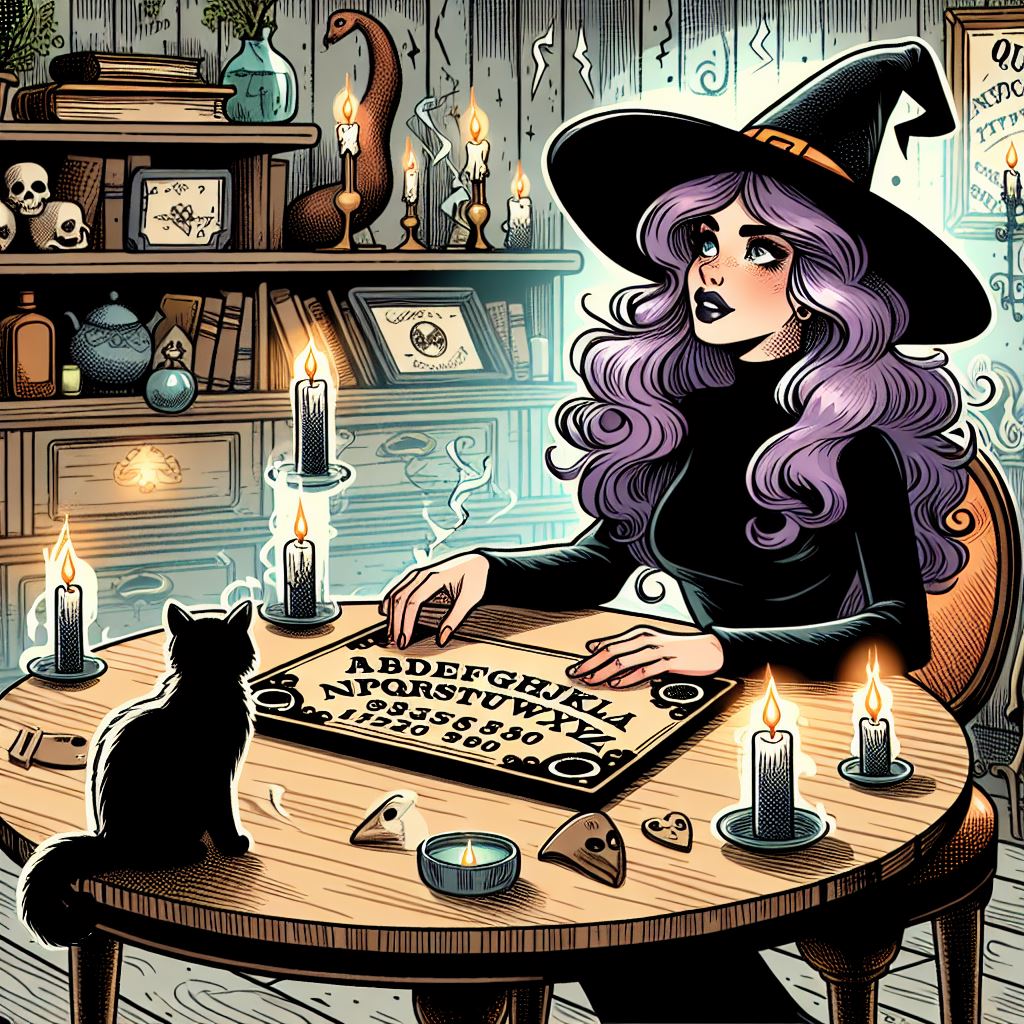
#9. What do you call the eerie art of summoning spirits from the afterlife to peek into the future? 👻🔮
Necromancy is the practice of conjuring the spirits of the dead for divination or prophecy, although the term has also been applied to raising the dead for other purposes.
-Wikipedia
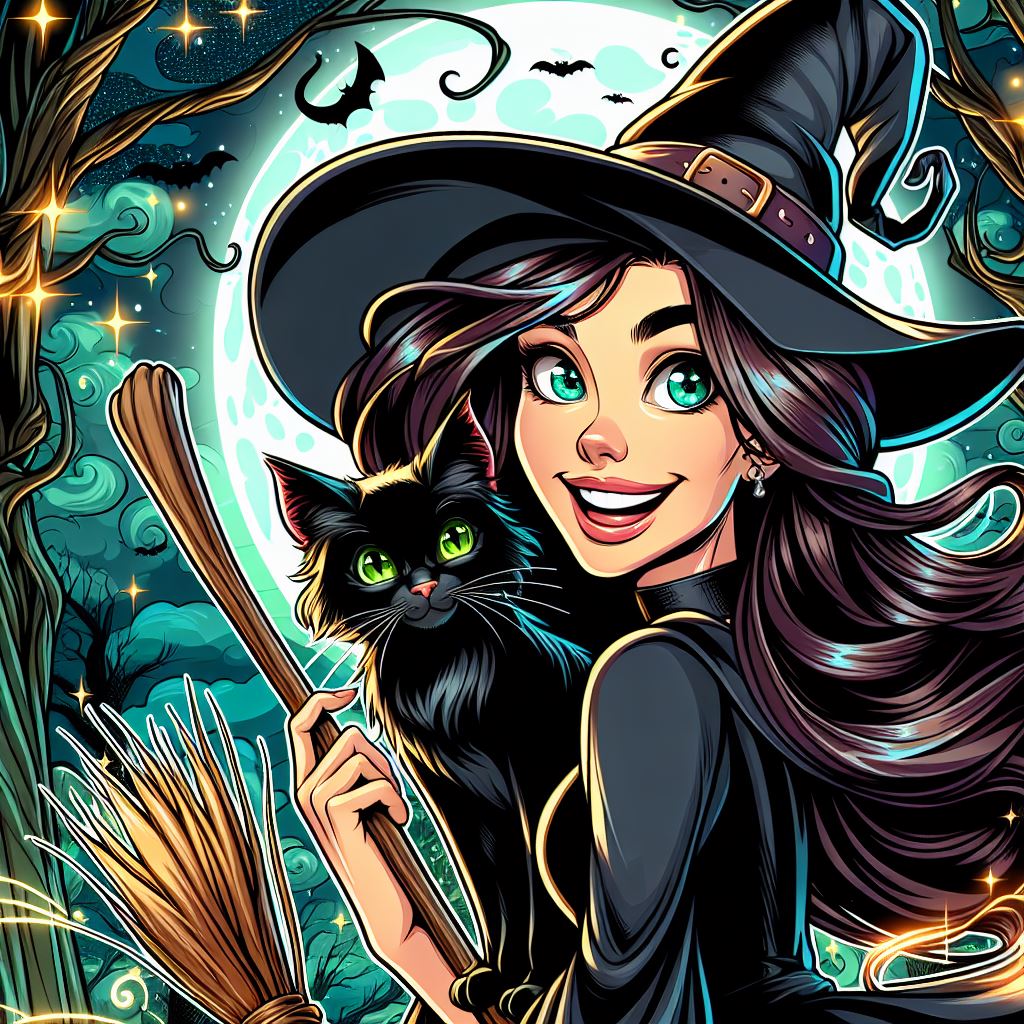
#10. What is a witch’s spooky sidekick critter known as? 🧙♀️🐈⬛
Another widespread belief is that witches have an animal helper. In English, these are often called “familiars” and meant an evil spirit or demon that had taken an animal form. As researchers examined traditions in other regions, they widened the term to servant spirit-animals which are described as a part of the witch’s own soul.
-Wikipedia
